Free Delivery On Orders above 50$
Inside the Roastery: From Green Coffee to the Final Roast
Behind Bean Harbor
A closer look at what happens before your coffee reaches the cup.
By the time coffee reaches your grinder, most of its journey has already happened.
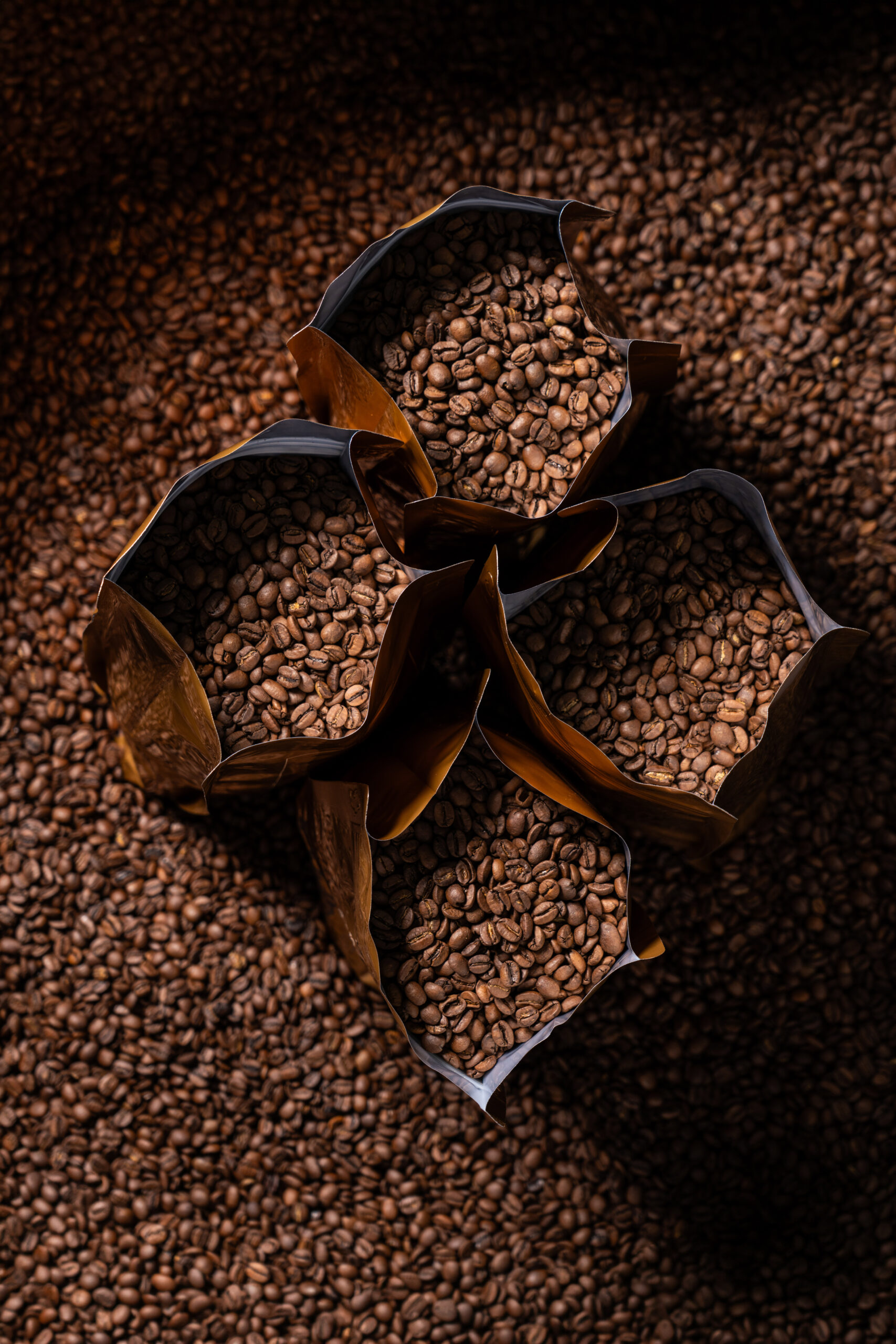
Long before the first espresso is extracted, decisions have been made about origin, processing, selection, roasting and development. Behind every finished bag at Bean Harbor is a process that begins with something that looks very different from the coffee most people recognize.
It begins green.
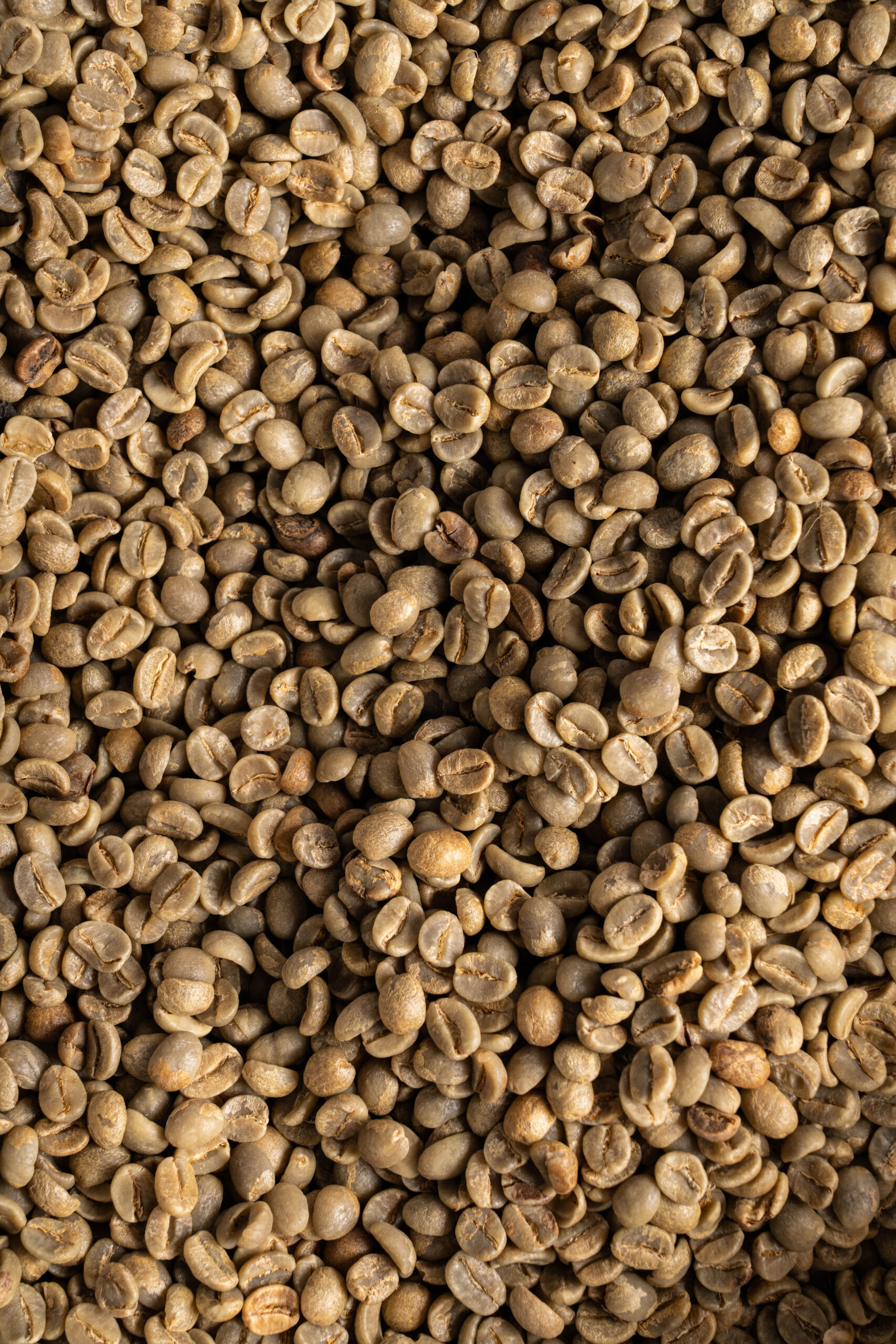
Before the Roast
Green coffee is the raw material of every roast.
At this stage, the beans carry the potential created at origin: their genetics, growing environment, altitude, processing method and everything that happened between cultivation and export.
Our job as roasters is not simply to turn those beans brown.
It is to understand what they can become.
Different coffees respond differently to heat, which is why roast development begins with understanding the coffee itself and defining what we want from it in the cup.
Is it intended for espresso? Filter? Lebanese coffee? Will it be served alone or become part of a blend?
The answer changes the way we approach it.
Small Roasts, Big Decisions
Before committing coffee to larger-scale production, smaller roasting equipment allows us to explore, evaluate and refine.
At Bean Harbor, our roasting setup includes different Giesen machines serving different roles.
Our Giesen WPG sample roaster allows us to work with samples and assess coffees at a small scale. The Giesen W1A, with its 1.5 kg capacity, provides another level of small-batch roast development. For larger production, our Giesen W15A, with its 15 kg capacity, allows developed profiles to move into commercial roasting.
Having different scales available gives us the ability to test before producing, adjust before repeating and approach roasting as a process rather than a single step.
More Posts
HELLO